

Our Mission
We hope to create conversation and dialogue around including and embracing all personality types for a richer, deeper and thoughtful world.There is no magic fix for unconscious bias towards introverts. But there are simple steps we can take right now to be part of addressing it.
What do leaders have to say?
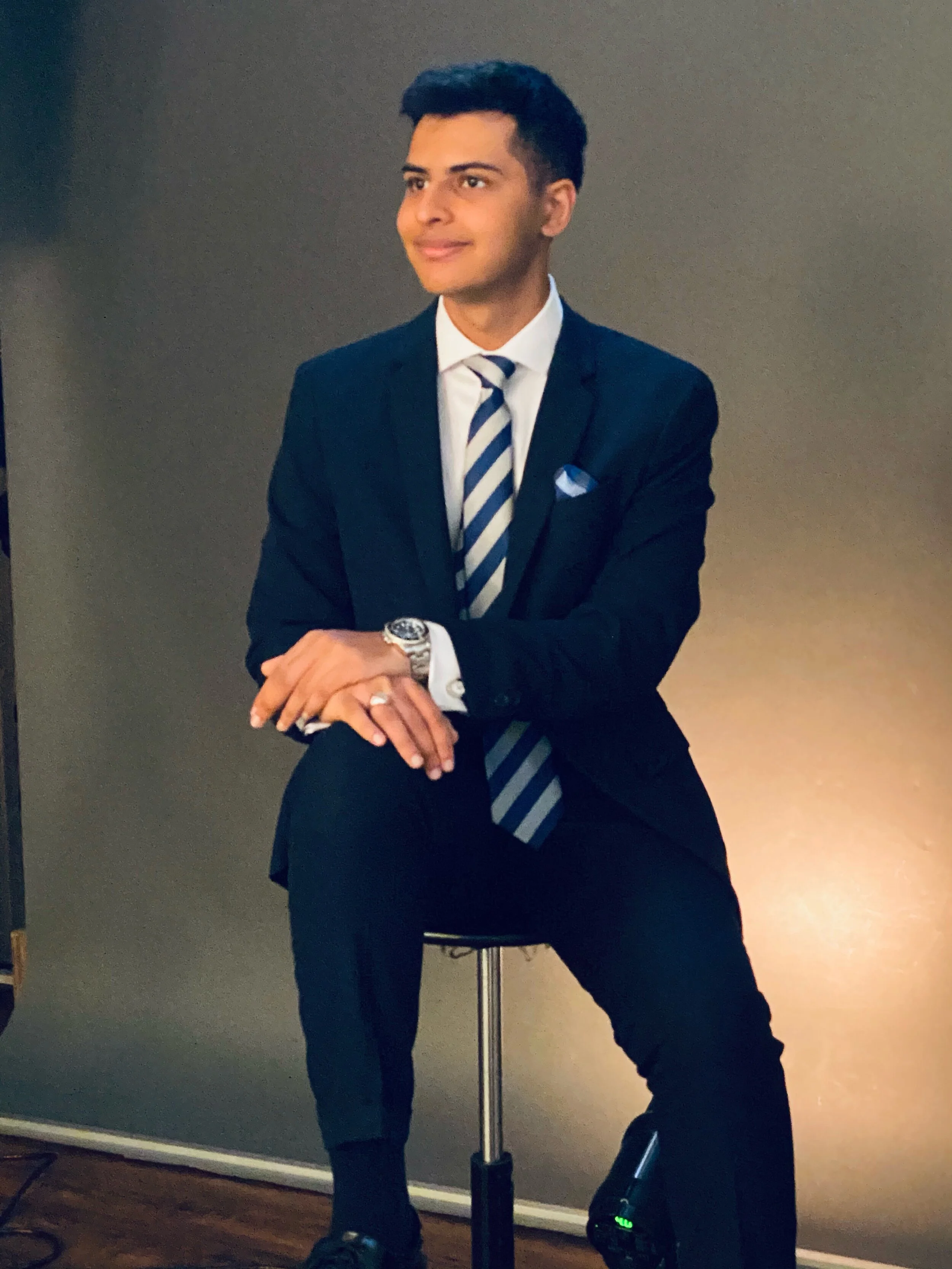
Zubin Mehta I am a student at Southern Methodist University majoring in Finance and Biology; and started this website as a senior at St. Mark’s School Of Texas as I was passionate about understanding the “why” of things.
It all began with a simple question, “why are we encouraged to be someone we are not?”
To better understand this complex question, I began a neuroscience research project with Dr. Michelle Adams, founder of Marketing Brainology. Over time, we developed a space where thinkers, leaders and creative minds could come together to raise awareness for the fragility of biases towards introverts in an extroverted world and collaborate on creating simple solutions that can include all people in conversation, and promote thought diversity.
This led to interviewing 40+ leaders sharing their thoughts on how to include all voices in high stakes environments and a TEDx Talk, “Thriving in a world of extroverts is an ART not a science.”
Over my college years I continued to ponder on this topic, discussing it with friends and making a difference in lives of peers. This gave me immense gratification that what started as a curiosity question, a rather simple one became life changing for others.
“Quiet leadership' is not an oxymoron.”
— Susan Cain, Quiet: The Power of Introverts in a World That Can't Stop Talking


The Project Initiative
In Summer 2019, the project became real starting with multiple conversations with experts on diversity and inclusion. What came next was a two year long neuroscience experiment to dive into the interconnection of introverts and extroverts with Dr. Michelle Adams.
Together, we believed that familiarity bias existed with certain personalities. What did that mean? How would we test it? And, most importantly what would we do with the results?
Often unconscious bias towards personality types impacts the core of who we are, decision making and diversity of thought. We believe that the power for change lies in the hands of all of us - given we all have a choice - and the power to shape our mindset often comes from our environment.
We live in a culture that equates leadership and ambition with extroversion. We believe, this stems from familiarity bias and is so deep rooted that even introverts have been trained to value extroverted traits as a measure of success. Our world of participation is designed for extroverts and is structured to stimulate the brain, require continuous participation, and promote small talk. Introverts may be checkmated even before the game starts.
Introverts make up 50.7% of the US population. “This bias against introversion,” says Susan Cain, “is the next great diversity issue of our time" in her book that describes the Western culture undervaluing the traits and capabilities of introverts [1].
To succeed, we need to find ways to synchronize the system of nature with the system of mindsets. And make adaptability and inclusion value-based for all around us.
The interviews series was created to accelerate a process of change through awareness and solutions that is already in progress in many leadership styles and needs to be shared. No bigger movement in the history of humankind is larger than the movement of diversity and inclusion of all. We want to make sure we are fast enough to uncover the treasure of diversity of thought that comes from personality types as we continue to embrace inclusion and its many parts. We have only just begun to uncover the mix of diversity and inclusion is making the mix work.
[1] Cain, Susan. “Quiet: The Power of Introverts in a World That Can't Stop Talking.” 24 Jan. 2012
“Introverts have had to adapt a lot more.”
Dr. Michelle Adams, founder of Marketing Brainology
The Cause
We draw energy from our own kind of personality and gravitate to them for comfort and often find ourselves in an echo chamber. We need solutions to be open minded and drive dialogue with all people for growth.
Many people fear situations in which they have to interact with people they don’t know and often have to fake it to make it. Most are attracted to what’s most familiar as its generally most comfortable. Anything wrong with that? After all, that is human behavior, right?
Leaders recognize the threat of being in the zone of comfort, while less risky, it can become an echo chamber. Diminishment of thought diversity in our world is one of the greatest threats to the growth of humanity.
The cause and effect are many - but so are solutions!
“We tend to know our type best and that is familiarity bias”
Dr. Michelle Adams
The EEG Approach
Everything starts with inspiration! As a student photographer we often say photos transcend language. Therefore, the research started with photography and was a curated array of carefully selected photos of people - in small and large groups, doing different activities shown to a carefully selected audience. We tested the response with 16 sec sensors using Electroencephalography which is a fancy word for EEG. This simply meant that the photos were held for 16 sec in view for the brain response. Pretty cool, eh? This approach was meant to allow us to learn from people what they couldn’t tell by tracking their brain waves, eye movement (unconscious measurement) and words (conscious measurement) used to describe their thoughts and feelings.
Once we saw interest from the audience on a certain photograph, we were also able to track their eyes and learn about what they were focused on. This evidence based learning was complimented with eye tracking that gave us additional insights into their behavior. Did they spend time on the title of a book? Were they trying to recognize a face in the crowd? The approach is both an art and a science. The science helped deduce the facts. The art was recognizing why they were focused on particular aspects of the photos. To shape our ideas and deductions we completed the process with an in person interview to help articulate the thoughts and feelings of the person. Our success was achieving recognizable patterns in what we saw was familiarity bias. And most importantly beginning the conversation on solutions, our impact.
What we learned
The result showed that brains converge to familiarity: lighting up to the familiar, shutting down to the unfamiliar. The more activity was in the photo the more there was to see, the brain got curious and lit up. Whether extrovert or introvert, both personality types were curious about what they thought they knew. Once they identified with the photo, they searched for specific detail within the photo that they thought they were familiar with. This is familiarity bias in both types of personality types.
What it means
It means that we need to find solutions for all personality types, specifically introverts to recognize that unconscious biases exist, to keep an open mind and work together to create a space for diverse thought and inclusion. Diversity is one step into the mix. Inclusion is what makes the mix come alive.
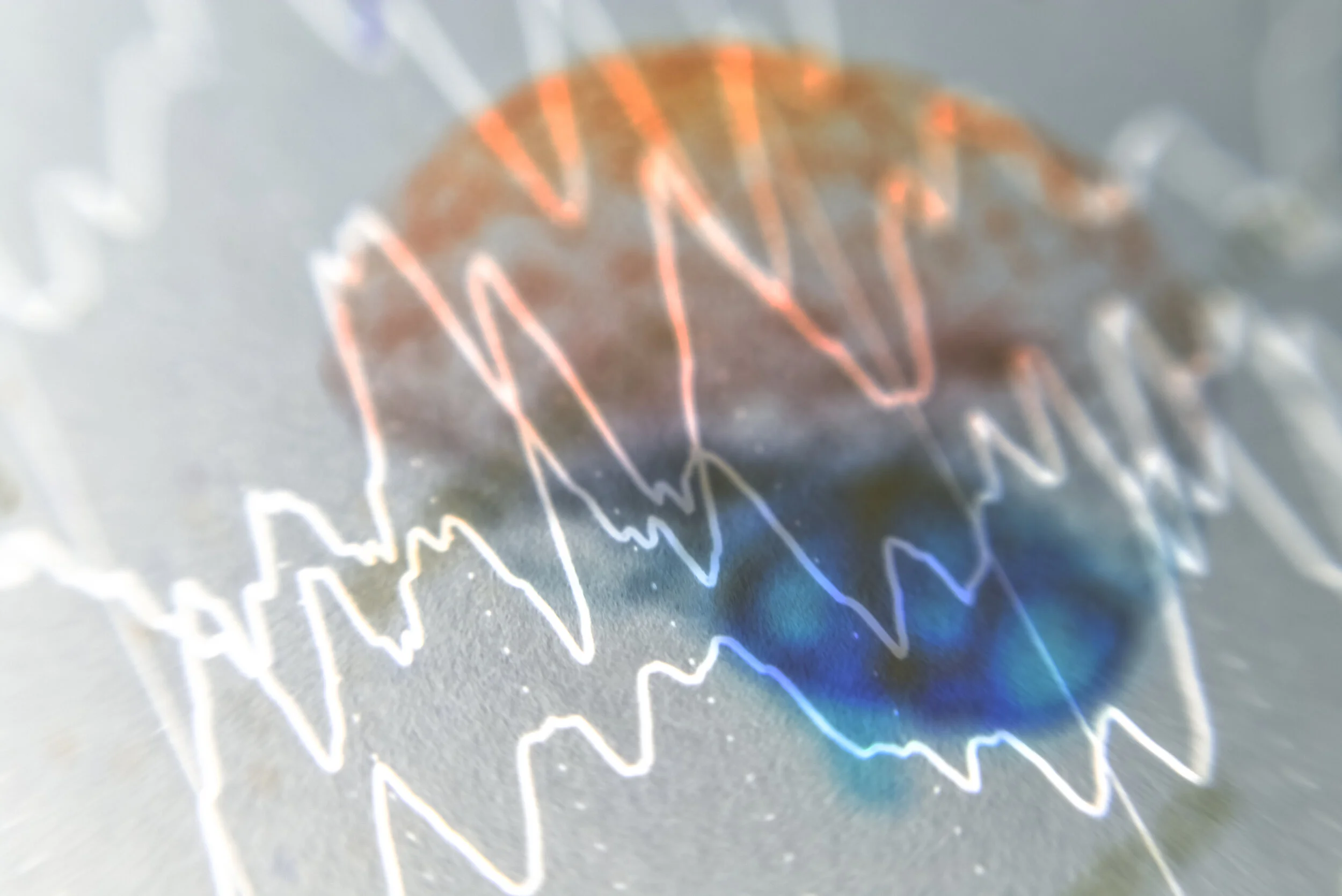
The brain lights up to what is familiar and shuts down to what is unfamiliar
We believe the most valuable thing you can learn is from what people can’t tell you.We hope to create conversation and dialogue around including and embracing all personality types for a richer, deeper and thoughtful world.